
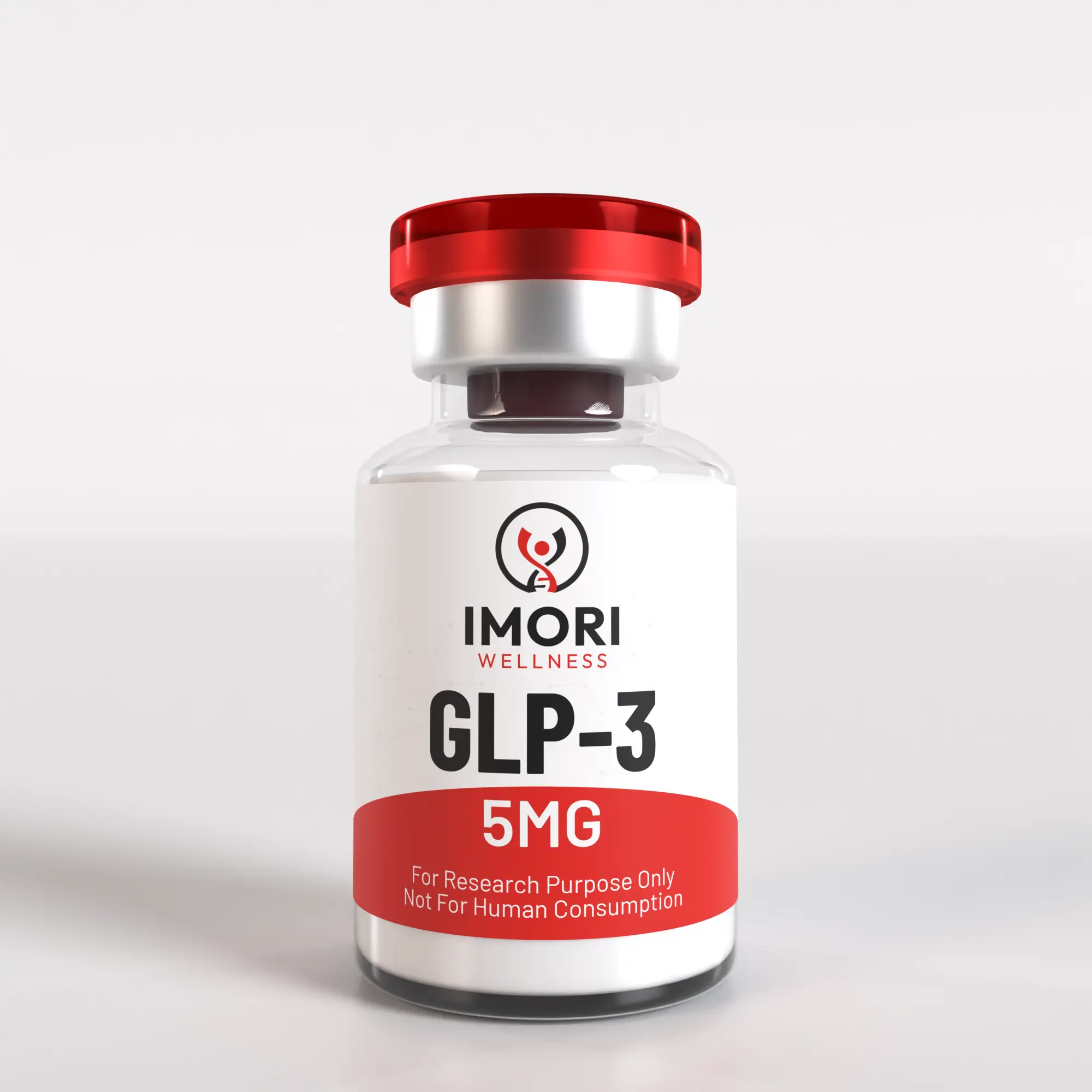

GLP-3 (Glucagon-Like Peptide-3)
Glucagon-Like Peptide-3 (GLP-3) is a naturally occurring hormone involved in gastrointestinal regulation and metabolic processes. This peptide holds significant potential in academic research within the fields of endocrinology, gastrointestinal physiology, and metabolic disease modeling.
Research Context
GLP-3 plays a crucial role in maintaining gastrointestinal motility, intestinal secretion, and glucose homeostasis. In preclinical studies, researchers investigate its mechanisms, including its impact on gut hormone signaling pathways, inflammatory responses, and potential therapeutic applications in conditions such as gastroparesis or metabolic syndrome.
Research Overview
GLP-3 is predominantly synthesized in the intestinal L-cells and acts as a key regulator of gut function. Extensive research explores its role in modulating intestinal transit, preventing ulceration, and influencing satiety signaling. Preclinical investigations often utilize animal models to study its effects on peptide signaling, pancreatic hormone secretion, and potential interactions with other gastrointestinal peptides.
Key Research Focus Areas
- Gut motility and gastrointestinal physiology
- Metabolic disease modeling and glucose regulation
- Inflammatory bowel disease and intestinal barrier integrity
- Neuroendocrine signaling in the gastrointestinal tract
- Pharmacological modulation and peptide receptor studies
For research use only. Not for human or animal consumption.



Reviews
There are no reviews yet.