
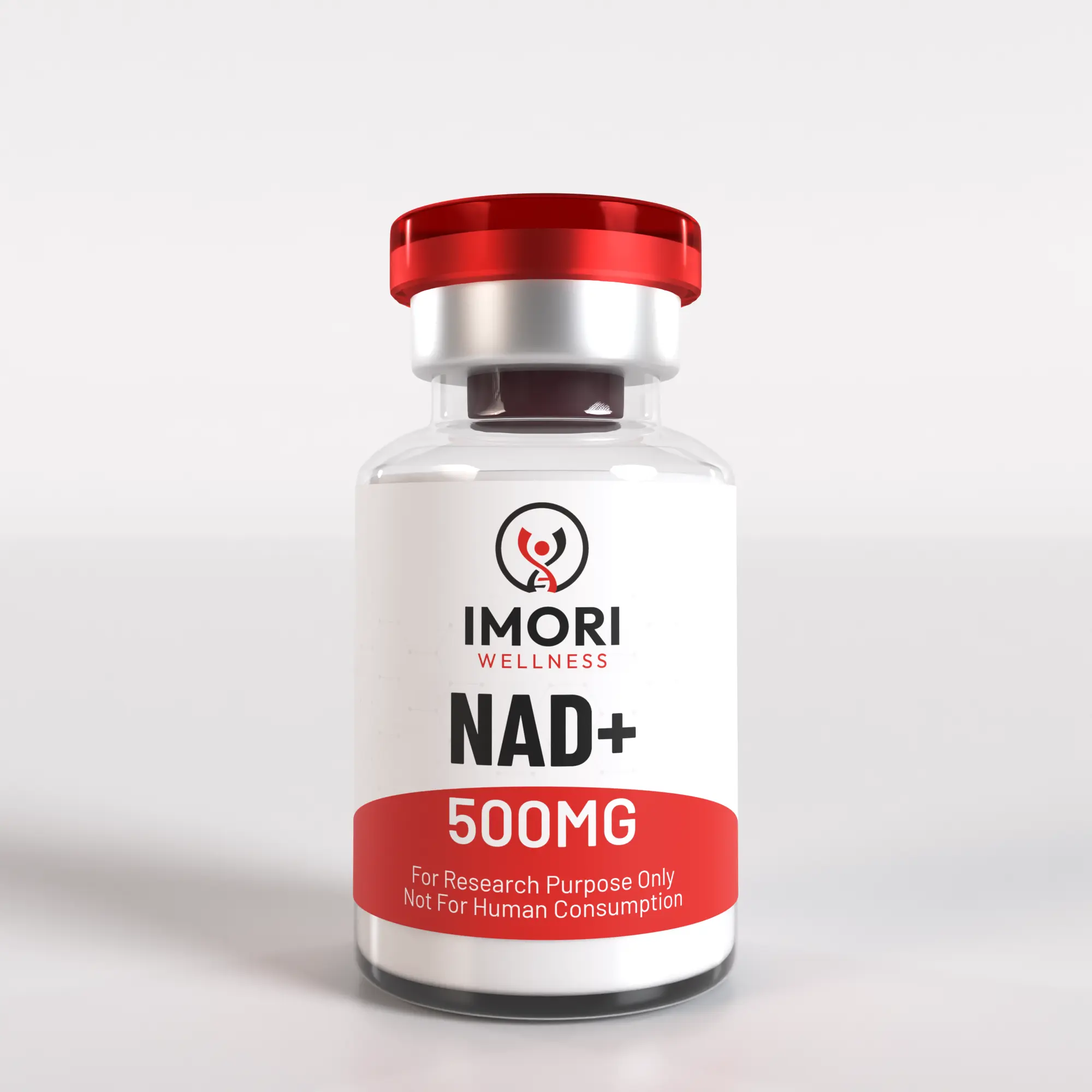

Nicotinamide Adenine Dinucleotide (NAD)
This product provides Nicotinamide Adenine Dinucleotide (NAD+) as part of research materials for biochemical studies. NAD+ is a crucial coenzyme involved in redox reactions and plays a central role in cellular metabolism. This chemical is frequently utilized in biochemical, pharmacological, and molecular biology research to investigate metabolic pathways, stress responses, and aging mechanisms.
Research Context
NAD+ is a naturally occurring dinucleotide present in all living cells. It functions as a vital coenzyme in the transfer of electrons during cellular respiration, participating in processes such as glycolysis, oxidative phosphorylation, and the citric acid cycle. Beyond its role in energy metabolism, NAD+ is also involved in signaling pathways that regulate DNA repair, cellular senescence, and epigenetic modifications. Its dynamics are closely tied to biological aging, mitochondrial function, and responses to metabolic stress.
Research Overview
Research utilizing NAD+ spans multiple disciplines, including biochemistry, pharmacology, and gerontology. Studies often employ purified NAD+ to investigate its effects on enzyme activity, intracellular signaling, and metabolic homeostasis. In vitro experiments frequently employ NAD+ analogs or its precursors (e.g., nicotinamide riboside) to probe mechanistic insights under controlled conditions. Research applications include the study of aging-related decline, the impact of metabolic diseases, and the development of therapeutic interventions targeting NAD+ depletion.
Key Research Focus Areas
- Cellular Metabolism and Energy Regulation: NAD+ is essential for maintaining mitochondrial function, ATP production, and cellular energy balance. Research explores how NAD+ levels influence metabolic pathways, particularly in diseases such as diabetes and obesity.
- Aging and Longevity: Decreasing NAD+ levels are associated with cellular senescence and age-related decline. Investigations into NAD+ biosynthesis, degradation, and supplementation aim to elucidate mechanisms of biological aging.
- DNA Repair and Epigenetics: NAD+-dependent enzymes, such as poly(ADP-ribose) polymerase (PARP), are critical for DNA damage response. Studies assess the role of NAD+ in genomic stability, epigenetic modifications, and cellular stress responses.
- Stress Responses and Adaptation: NAD+ plays a role in oxidative stress management, autophagy, and the regulation of unfolded protein response pathways. Research examines how NAD+ dynamics contribute to cellular resilience under environmental or pathological stressors.
- Pharmacological and Biochemical Applications: NAD+ is used in biochemical assays, including those involving NADH/NAD+ redox cycling, to study enzyme kinetics, metabolic flux, and signaling cascades.
Safety and Compliance Notice
Nicotinamide Adenine Dinucleotide (NAD+) is provided solely for research purposes and is intended for use in accredited academic, industrial, or institutional research laboratories. This product is not intended for human or animal consumption, diagnostic, therapeutic, or cosmetic applications. Users must adhere to all applicable regulatory guidelines, safety protocols, and institutional policies when handling or utilizing NAD+ in research contexts.
For research use only. Not for human or animal consumption.

Reviews
There are no reviews yet.