
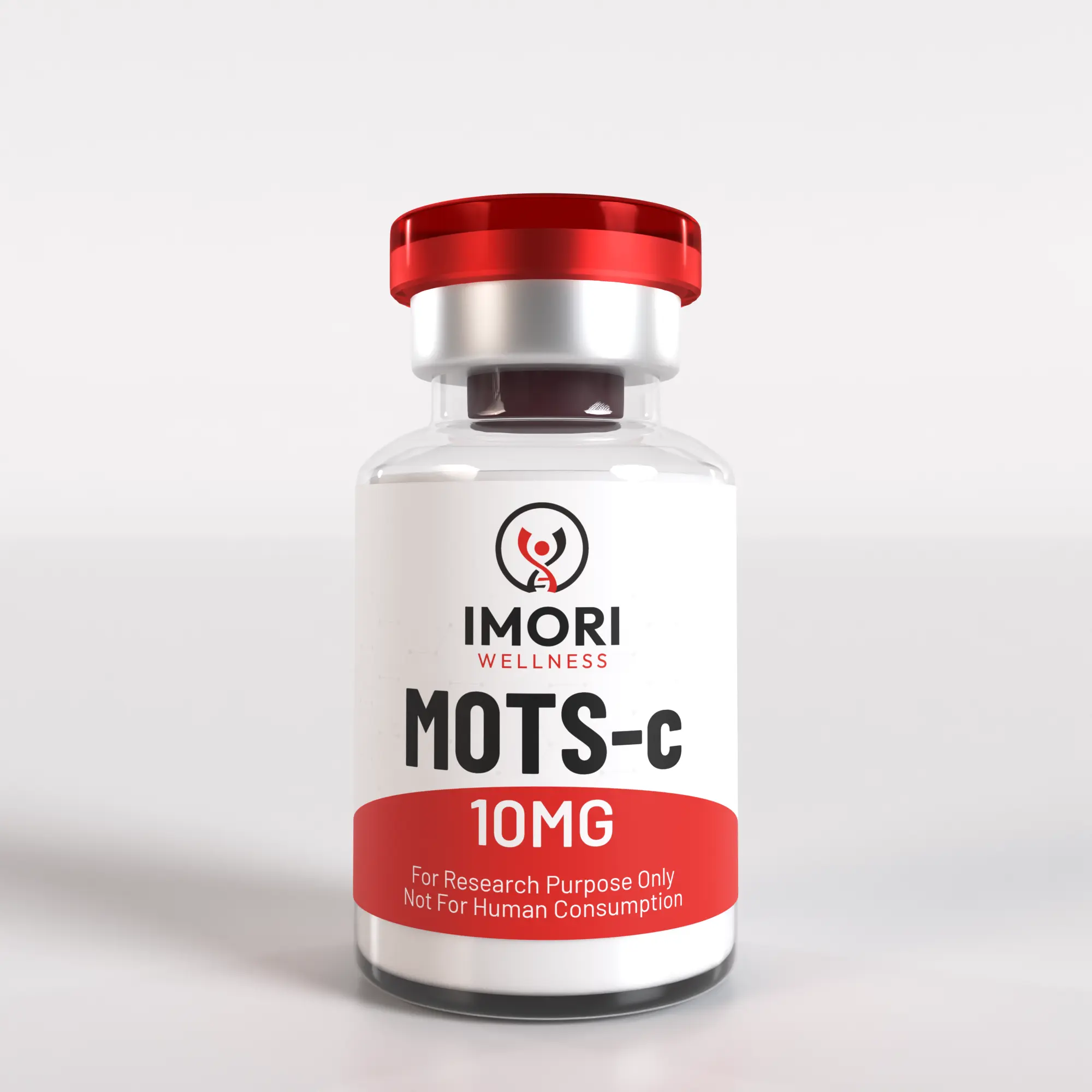

MOTS-c
MOTS-c is a research-use-only peptide derived from mitochondrial transcripts, specifically encoded within the mitochondrial open reading frame of the cytochrome c oxidase subunit IV (CoxIV) gene. This peptide is a subject of emerging interest in the scientific community for its potential roles in mitochondrial function and associated cellular pathways. Due to its unique structural and functional characteristics, MOTS-c has been extensively studied in various biological models.
Research Context
The identification and characterization of mitochondrial open reading frames (MORFs) have gained significant attention in recent years. These regions, initially overlooked, have been found to encode functional peptides, including MOTS-c. MOTS-c, in particular, was initially identified in mammalian mitochondria and has been shown to elicit various biological responses in cell culture and animal models. Research into MOTS-c focuses primarily on its effects on metabolic pathways, energy production, and mitochondrial biogenesis.
Research Overview
Studies investigating MOTS-c have explored its potential effects on mitochondrial respiration, ATP production, and oxidative stress responses. MOTS-c has been examined in both mammalian cell lines and in vivo models to elucidate its mechanisms of action. Preliminary findings suggest that this peptide may influence key metabolic processes, potentially offering insights into mitochondrial dysfunction and associated diseases. However, additional research is necessary to fully understand its physiological roles and implications.
Key Research Focus Areas
- Mitochondrial Function and Biogenesis: Investigating the impact of MOTS-c on mitochondrial mass, respiration, and biogenesis-related pathways.
- Metabolic Regulation: Exploring its role in glucose and lipid metabolism, particularly in relation to energy homeostasis and insulin sensitivity.
- Oxidative Stress Response: Assessing the peptide’s potential to modulate reactive oxygen species (ROS) production and antioxidant defense mechanisms.
- Cellular Signaling: Investigating interactions with intracellular signaling pathways, including AMP-activated protein kinase (AMPK) and mammalian target of rapamycin (mTOR).
- Neuroprotection and Aging: Preliminary studies in animal models have suggested potential neuroprotective effects, though further research is required to validate these findings in human contexts.
Important Disclaimer
This peptide is intended solely for research purposes and is not authorized for human or animal consumption. MOTS-c should only be handled and utilized in compliance with institutional guidelines and regulatory requirements governing research materials. Users are responsible for ensuring all experimental procedures adhere to ethical standards, safety protocols, and applicable legal regulations. No therapeutic, diagnostic, or cosmetic claims are being made regarding MOTS-c. The information provided herein is for academic and scientific exploration only.
Safety Statement
While MOTS-c has been studied in controlled research environments, its long-term effects in vivo remain poorly characterized. Users are advised to conduct experiments under the supervision of qualified professionals, utilizing appropriate safety measures, including proper laboratory containment and handling procedures. Always follow institutional protocols and seek guidance from research advisers when designing experiments involving this or any research-use-only substance.


Reviews
There are no reviews yet.